Family Heritage & Lineage Preservation
Preserving Genealogy, Memory & Manuscripts
Across Generations.
This archive began when I was 18, researching primary sources on South Asian history. A conversation with my mother revealed that Huseyn Shaheed Suhrawardy and Sher-e-Bangla were direct ancestors. That question became a multi-year effort to reconstruct our family's lineage, with the oldest branch traced to 570 A.D. through a published family memoir. It draws on manuscripts, records and oral history, translated from Urdu and Bengali and organized in a searchable database.
Direct Database Access
Authorized family members and verified researchers can log in directly to explore the interactive tree and documents.
Enter Archive Login80+Documents & PublicationsDigitized, with more being added
570 A.D.Oldest Branch TracedVia a published family memoir
3,600+RecordsPeople in the family tree, across 1,150+ families
74Translators Contacted13 engaged for the first English translation
Translating one Bengali family memoir took a search of 74 translators and 13 engagements to get a first English version. In 2025, I produced a revised translation myself, reviewed with family members.
From the Collection
Manuscripts, diaries and family books.
Covers and details only. The documents themselves are kept in the archive for family members and verified researchers.
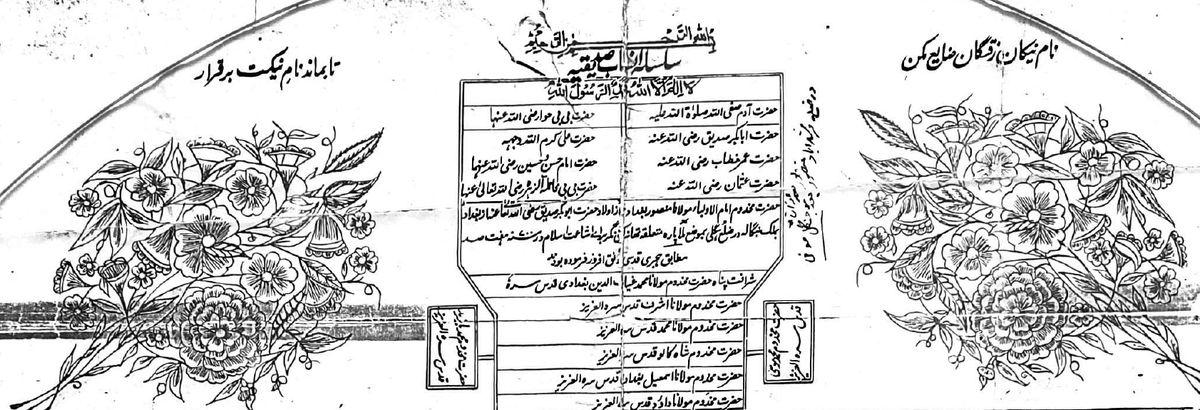
Genealogical chart · Urdu & Persian
Shijra
A handwritten family tree and spiritual lineage. Names are recorded with titles such as Makhdoom, Maulana and Qazi, alongside notes on places in Bengal. Shown here is the ornamental heading only.
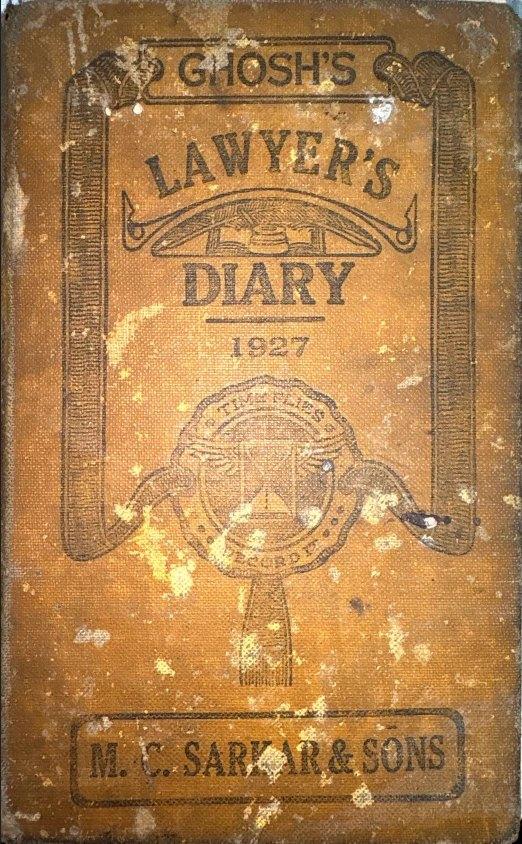
Diary · Calcutta, 1927
Ghosh’s Lawyer’s Diary
Daily entries attributed to Mollah Afzaluddin Ahmed: court work at Alipore and the High Court, journeys by rail, hunting trips and household accounts. Published by M. C. Sarkar & Sons.
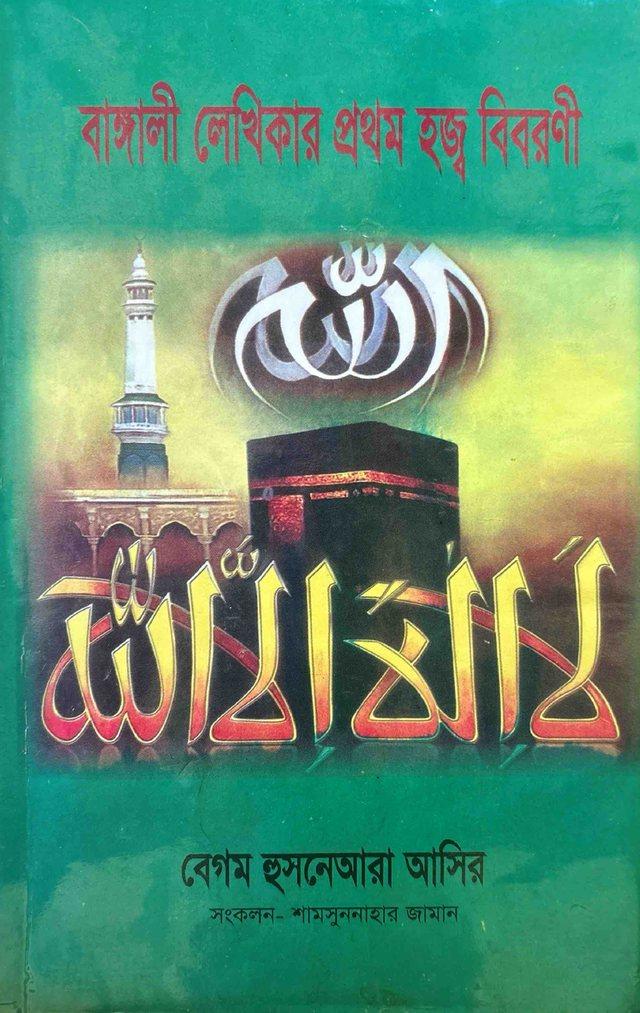
Book · Dhaka, 2004 · Bengali
বাঙ্গালী লেখিকার প্রথম হজ্ব বিবরণী
A Bengali Woman Writer’s First Hajj Account
Begum Husne Ara Asir’s account of her Hajj in February–March 1968, written that year and unpublished in her lifetime. Compiled and introduced by her daughter, Dr. Shamsun Nahar Zaman.
Inside the Archive
Every name linked to its family, places and sources.
Three views from the family tree database. All show only people who have died; the records of living relatives stay behind the login.
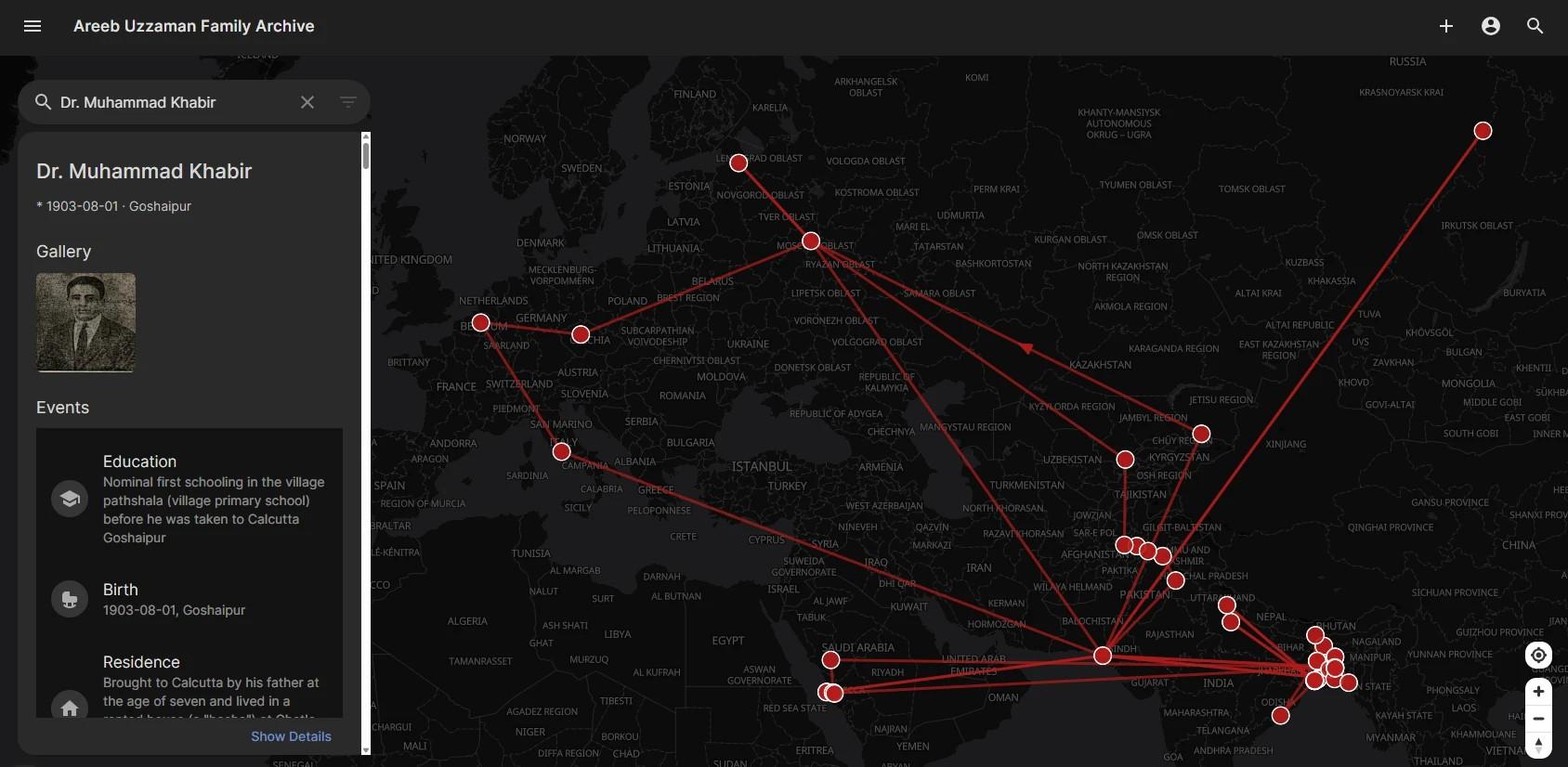
Map view · one life
Dr. Muhammad Khabir, born 1903
Each dated event in a person’s record is placed on the map. This one follows a surgeon from a village school in Goshaipur to the Calcutta Medical College, district postings across Bengal, the 1952 Pakistan medical mission to the U.S.S.R. and the Hajj of 1968, the journey described in the Hajj account above.
Base map © OpenStreetMap contributors.
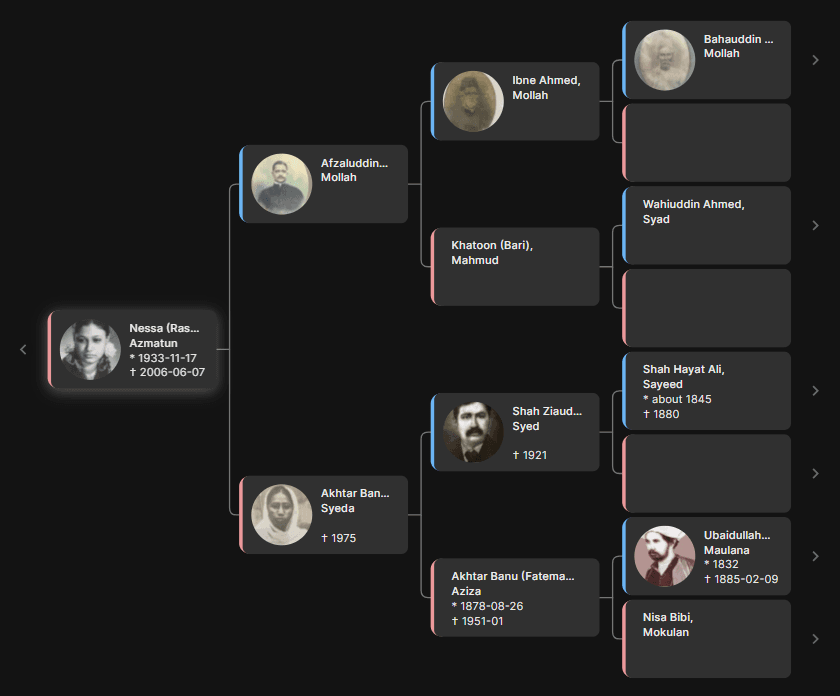
Ancestor tree · four generations
Azmatun Nessa, 1933–2006
My grandmother, with her parents, grandparents and great-grandparents, the earliest of them born in 1832. A portrait is attached wherever a photograph survives, and an empty card marks an ancestor not yet identified.

Assistant · experimental
Questions in plain language
The archive can be asked a question directly: an assistant searches the records and drafts a reply. Shown is the opening of one about Maulana Ubaidullah al-Ubaidi Suhrawardy (1832–1885), who appears in the tree above.
It is a finding aid, not a source. It runs on whichever freely available language model is in use at the time and can misread the records, taking a maternal line for a paternal one, for example. Its replies are leads to check against the documents, never the record itself.
Access the Family Archive &
Interactive Tree Database
Family members and verified researchers can sign in to explore the interactive tree, charts, timeline, DNA matching, reports, and the manuscripts and literary works written by our ancestors. A map of ancestors' burial sites is in progress.
Family members: request access, then email archive@areebuzzaman.com with your name and the branch you descend from.
Researchers and institutions: email the same address with a short description of your inquiry.